What a New HVAC System Costs in Cincinnati, OH (2027)
Adjust your home size & electric cost in Cincinnati, OH
A 3-ton, 14 SEER system is our pick for a typical 1,800 sq. ft. home in Cincinnati, and it installs for $7,860 to $9,480. That capacity works out to roughly 36,000 BTU. As one of the largest cities in Ohio, home to roughly 311,000 people, Cincinnati prices about 3% above the Ohio statewide figure.
The price assumes your ducts can stay. When an installer finds crushed runs, too few returns or a dated disconnect, those repairs show up as added lines.
What Each Efficiency Level Costs in Cincinnati
From the cheapest 14 SEER bid ($7,860) to the priciest 20 SEER one ($25,420), Cincinnati quotes for a 3-ton system span a wide band. Most buyers sit in the middle: 16 SEER at $9,980 to $12,030 or 18 SEER at $15,210 to $18,330.
Cincinnati Next to the Ohio Average, by SEER
| System (3 ton) | Cincinnati | Ohio average | Materials |
|---|---|---|---|
| 14 SEER | $7,860 - $9,480 | $7,650 - $9,220 | $4,950 |
| 16 SEER | $9,980 - $12,030 | $9,710 - $11,710 | $6,210 |
| 18 SEER | $15,210 - $18,330 | $14,800 - $17,830 | $9,330 |
| 20 SEER | $21,090 - $25,420 | $20,520 - $24,730 | $12,830 |
Of a 16 SEER quote in Cincinnati, roughly $6,210 buys the hardware. The remainder pays the crew and runs the shop.
How Much the Cincinnati Market Adds or Saves
Big markets pay crews more and spend more on parking, permits and travel time; small markets spend less but often have fewer bidders. The Ohio average for 16 SEER is $9,710 to $11,710; with the 3% city adjustment, Cincinnati lands at $9,980 to $12,030.
The same estimate covers all 54 ZIP codes with a Cincinnati mailing address in our database, in Hamilton and Clermont counties. Ask each Cincinnati bidder for model numbers, warranty terms and a clear yes or no on permit, disposal and thermostat.
Ten Summers of Cooling Bills in Cincinnati
Every cooling cost below starts from $0.233 per kWh, the Ohio average and about 7% above the national average of $0.217. Over the ten years in our data, Ohio rates rose about 2.58% a year; at that pace the average would reach roughly $0.30/kWh by 2036.
Each line is one SEER rating; touch or hover a year to read its dollar figures. The climb is the 2.58% yearly increase OH rates showed over ten years.
Starting point: this summer at OH's current rate. From there the rate grows 2.58% per year, compounded, and each season cost is rounded up to $10.
At that rate, a 16 SEER system in Cincinnati uses about 3,858 kWh a season, roughly $900 a year; a worn 9 SEER unit would cost about $1,590.
Upgrade Payback Finder: Your Old AC vs a New One
Choose your current AC and a replacement rating. Every result assumes a 3-ton system and Ohio electric rates ($0.233/kWh today, up 2.58% a year).
| Installed price of the new system | $8,550 |
| Electricity saved, first year | $580 |
| Saved over 10 summers (rates rising) | $6,490 |
| Payback | 12.7 years |
| Net after 10 summers | -$2,060 |
Not on savings alone: 9 to 14 SEER is $2,060 short after 10 summers in OH.
These figures treat the whole install as the price of switching from a unit that still runs. For a dead unit, only the step up from a basic 14 SEER bid has to pay back.
Old 9 SEER vs New: Cincinnati Numbers
| 9 SEER | 14 SEER | 16 SEER | 18 SEER | 20 SEER | |
|---|---|---|---|---|---|
| Installation Cost | - | $8,550 | $10,850 | $16,530 | $22,920 |
| Electric Usage / Yr | 6,823 kWh | 4,344 kWh | 3,858 kWh | 3,480 kWh | 3,177 kWh |
| Electric Cost / Yr | $1,590 | $1,020 | $900 | $810 | $740 |
| Energy Savings / Yr | - | $580 | $690 | $780 | $850 |
| Payback (Rates Rising) | - | 12.7 years | 13.4 years | 17.2 years | 20.8 years |
| 10-Year Net (Rates Rising) | - | -$2,060 | -$3,090 | -$7,780 | -$13,380 |
Swapping a working 9 SEER unit for a 14 SEER system pays back in about 12.7 years in Cincinnati, counting the rate trend.
Total Cost to Own Each SEER in Cincinnati
Buy Price vs 10-Year Running Cost: Total Cost of Ownership in OH
For each SEER rating: the installed price, 10 years of cooling electricity at Ohio rates (rising 2.58% a year), and the two added together. The shortest total bar is the cheapest system to own. Hover or tap a bar for the math.
After 10 years, 14 SEER is the cheapest system to own in Ohio: $19,910 all-in ($8,550 installed + $11,370 of electricity).
Energy inflation is built in: season one is priced at today's OH rate, and each of the nine seasons after it costs 2.58% more than the one before, the historic yearly increase. The install figure is the typical installed price on this page. Parts and totals are each rounded up to $10, so the parts may sum $10 above the total.
Check the AC Price Where You Live
Matching the System to Cincinnati Weather
Climate region 3 is where our map puts Ohio. Across the state, summer days average near 86°F and winter nights near 20°F; Cincinnati sits at about 39.1° N. With warm summers and freezing winters, Cincinnati homes need balanced equipment; compare the heating rating (HSPF or AFUE) alongside SEER.
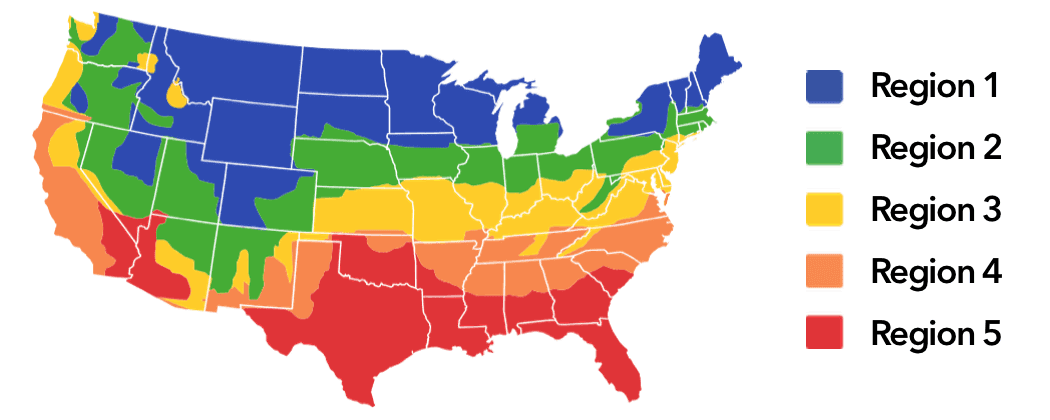
Climate zones run from 1 (cool) to 5 (hot); Ohio is in Zone 3.
About 2.5° south of the northernmost city in this Ohio guide, Cincinnati typically gets a longer cooling season.
Two-stage and variable-speed systems run longer at low speed, which removes more moisture during humid Cincinnati summers.
Cincinnati lies about 100 miles southwest of Columbus; local weather and housing can differ from the state's largest city, so size for your house, not the region.
A dual-fuel setup suits Cincinnati well: a heat pump handles cooling and mild-weather heat, and a natural gas furnace takes the coldest days. Bigger is not better. An oversized system costs more to buy, cycles too often and controls humidity poorly.
Ductwork and Space in a Cincinnati Install
Matching the new coil to the existing furnace is most of the job in a typical Ohio forced-air house. Most Cincinnati jobs are detached houses with open yard space for the condenser, which keeps the install simple.
A ductless heat pump heats as well as cools, so it can replace old electric baseboard heat.
Timing, Permits and Paperwork in Cincinnati
Do not wait for a breakdown. When an old unit quits during a Cincinnati heat wave or cold snap, there is no time to gather competing bids. Refrigerant work requires EPA certification, and many Ohio localities require a permit for equipment swaps, so check both before you sign.
Elsewhere in Ohio
Other Ohio cities in this guide, with distance from Cincinnati and the 16 SEER range:
- Columbus, OH, 100 mi northeast: $10,130 to $12,210
- Cleveland, OH, 220 mi northeast: $10,000 to $12,060
- Toledo, OH, 180 mi north: $9,960 to $12,010
- Akron, OH, 210 mi northeast: $9,920 to $11,950
- Dayton, OH, 45 mi northeast: $9,870 to $11,900
- Parma, OH, 210 mi northeast: $9,900 to $11,930
If you live just outside Cincinnati, in St. Bernard, White Oak, Fairfield, West Chester and Hamilton for example, expect bids close to these.
See the Ohio HVAC cost guide for how Cincinnati compares with the rest of the state and how the payback math works. Before collecting bids, run your own numbers in the AC size calculator and the heat pump calculator.
These figures start from statewide data, then adjust for the size of Cincinnati. Collect written bids from licensed local firms before you choose.
Quick Answers
Figures below use Ohio averages; energy prices as of October 2026.
Does a heat pump heat for less than natural gas in Ohio?
No, natural gas still wins in Ohio: 63,517 BTUs per dollar against 43,990 for a heat pump at COP 3. The break-even power price is about 16.1¢ per kWh, and the Ohio average is 23.3¢. A more efficient heat pump narrows the gap.
Is electricity in Ohio expensive compared with other states?
At 23.3¢ per kWh, Ohio runs 7% over the national figure of 21.7¢, the 16th most expensive among the 50 states and DC. Every AC and heat pump cost on this page moves with that rate.
Is a cold-climate heat pump needed in Ohio?
Worth considering. Ohio winter lows average about 20°F, mild enough for a standard unit most nights, cold enough that a cold-climate model or a backup source earns its keep in a freeze.
What does a heat pump save over electric baseboard in Ohio?
About two-thirds. At 23.3¢ per kWh (the Ohio average), a million BTU of heat costs about $68.20 from baseboards and about $22.73 from a heat pump running at COP 3.
What is the best season to replace an AC or furnace in Ohio?
Spring or fall, while the old system still runs. Crews are busiest in the first hot week and the first freeze, and a forced emergency swap leaves no time to compare bids.
Is it smart to replace the furnace and AC together?
Often. Two old units replaced in one visit share the labor, and the indoor coil gets matched to the outdoor unit as the rating requires. A young furnace or AC can stay; quote the other separately.
Check it for your own home: Central AC cost estimator or Heat pump cost calculator.
More HVAC Cost Guides
Ohio HVAC costs (statewide) · HVAC costs in every state