What a New HVAC System Costs in Chattanooga, TN (2027)
Adjust your home size & electric cost in Chattanooga, TN
Start with the house: 2,150 sq. ft. calls for about 45,000 BTU, a 4-ton unit. In Chattanooga, the 16 SEER version of that system costs $10,220 to $12,320 installed and gives the lowest ten-year total of the ratings we price. Expect Chattanooga bids to land roughly 2% above the Tennessee average; the city has about 187,000 residents and the costs that come with that.
A clean replacement is what we priced: outdoor unit, indoor coil or air handler, refrigerant lines, wiring and removal of the old equipment. Duct repairs and electrical upgrades are separate line items on most bids.
Chattanooga Central Air Price List
Each step up in efficiency costs more in Chattanooga. The entry 14 SEER system is $8,120 to $9,780; 16 SEER is $10,220 to $12,320; 18 SEER is $15,970 to $19,250; 20 SEER is $21,710 to $26,170.
Chattanooga Next to the Tennessee Average, by SEER
| System (4 ton) | Chattanooga | Tennessee average | Materials |
|---|---|---|---|
| 14 SEER | $8,120 - $9,780 | $7,950 - $9,590 | $5,080 |
| 16 SEER | $10,220 - $12,320 | $10,020 - $12,070 | $6,340 |
| 18 SEER | $15,970 - $19,250 | $15,640 - $18,860 | $9,760 |
| 20 SEER | $21,710 - $26,170 | $21,270 - $25,640 | $13,180 |
Most of what you pay is not the box: equipment runs about $6,340 on a 16 SEER install, and labor plus overhead carry the balance.
Chattanooga Against the Tennessee Baseline
Two identical systems can draw different quotes in two Tennessee cities, because labor and overhead are set locally. The Tennessee average for 16 SEER is $10,020 to $12,070; with the 2% city adjustment, Chattanooga lands at $10,220 to $12,320.
The same estimate covers all 21 ZIP codes with a Chattanooga mailing address in our database, in Hamilton County. The cheapest bid is often the one that leaves out the permit, a new line set or duct sealing. Compare complete scopes, not headline prices.
Operating Cost and Payback for Chattanooga Homes
We price Chattanooga running costs at the Tennessee average of $0.165/kWh (about 24% below the national average of $0.217); if your bill shows a different rate, enter it in the form above. Tennessee electricity has climbed about 2.15% a year over the past decade, and the ten-year figures below assume that trend continues.
Each line is one SEER rating; touch or hover a year to read its dollar figures. The climb is the 2.15% yearly increase TN rates showed over ten years.
Starting point: this summer at TN's current rate. From there the rate grows 2.15% per year, compounded, and each season cost is rounded up to $10.
Season by season, 16 SEER uses about 4,709 kWh in Chattanooga, near $780; a 9 SEER unit would run up about $1,380.
Upgrade Payback Finder: Your Old AC vs a New One
Choose your current AC and a replacement rating. Every result assumes a 4-ton system and Tennessee electric rates ($0.165/kWh today, up 2.15% a year).
| Installed price of the new system | $11,110 |
| Electricity saved, first year | $600 |
| Saved over 10 summers (rates rising) | $6,580 |
| Payback | 15.8 years |
| Net after 10 summers | -$4,540 |
Savings alone fall short: 9 to 16 SEER is still $4,540 behind after 10 summers in TN.
These figures treat the whole install as the price of switching from a unit that still runs. For a dead unit, only the step up from a basic 14 SEER bid has to pay back.
Old 9 SEER vs New: Chattanooga Numbers
| 9 SEER | 14 SEER | 16 SEER | 18 SEER | 20 SEER | |
|---|---|---|---|---|---|
| Installation Cost | - | $8,820 | $11,110 | $17,360 | $23,600 |
| Electric Usage / Yr | 8,336 kWh | 5,317 kWh | 4,709 kWh | 4,236 kWh | 3,858 kWh |
| Electric Cost / Yr | $1,380 | $880 | $780 | $700 | $640 |
| Energy Savings / Yr | - | $500 | $600 | $680 | $740 |
| Payback (Rates Rising) | - | 15.2 years | 15.8 years | 20.7 years | 24.6 years |
| 10-Year Net (Rates Rising) | - | -$3,350 | -$4,540 | -$9,920 | -$15,480 |
Swapping a working 9 SEER unit for a 16 SEER system pays back in about 15.8 years in Chattanooga, counting the rate trend.
Total Cost to Own Each SEER in Chattanooga
Buy Price vs 10-Year Running Cost: Total Cost of Ownership in TN
Three bars per rating: what it costs to install, what it costs to cool the house for 10 summers at Tennessee rates with the rate climbing 2.15% a year, and the sum. The rating with the shortest third bar costs the least to own. Tap or hover any bar to see the addition.
Cheapest over 10 years in Tennessee: 16 SEER at $19,650 all-in, made of $11,110 to install plus $8,540 to run.
How the electricity bar is built: this season at today's TN rate, then nine more seasons, each raised by the 2.15% yearly increase TN has averaged. Install is the typical price shown on this page. Every figure is rounded up to the next $10 separately, which can leave the parts $10 over the total. 14 SEER is left out: it is below the federal minimum for new central AC installs in Tennessee.
Check the AC Price Where You Live
Heat, Cold and Equipment Choices in Chattanooga
Statewide numbers frame the Chattanooga estimate: region 3 on our map, summer highs averaging about 89°F, and winter highs around 47°F. Chattanooga needs real cooling in summer and real heating in winter. A heat pump, alone or backed by a furnace (dual fuel), covers both jobs and deserves a quote.
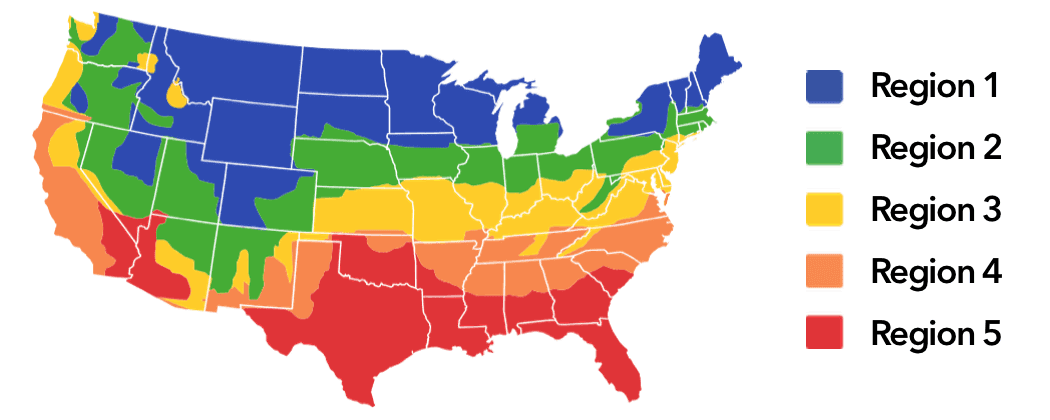
Climate zones run from 1 (cool) to 5 (hot); Tennessee is in Zone 3.
Chattanooga sits toward the south end of the Tennessee cities we cover, which shifts more of the HVAC budget toward cooling.
Sticky indoor air in Chattanooga? A variable-speed blower runs long and slow, which pulls more moisture out; pair it with a thermostat that can dehumidify.
Knoxville is the nearest guide city to Chattanooga, roughly 95 miles to the northeast.
Most of a Chattanooga winter is within a standard heat pump's comfort zone; whether the backup should be natural gas or electric depends on local rates. Climate sets the baseline and the house sets the answer: a tight 2,150 sq. ft. home in Chattanooga may need less than 4 tons, a leaky or sun-heavy one more.
Ductwork and Space in a Chattanooga Install
Duct condition, the air handler's location and electrical capacity drive most of the variation between Chattanooga quotes. Installers in Chattanooga can usually reach the outdoor pad and the indoor equipment easily, so labor tracks the system itself.
One outdoor unit can feed several ductless heads, a common fix for Chattanooga homes without ducts.
Booking the Job in Chattanooga
Do not wait for a breakdown. When an old unit quits during a Chattanooga heat wave or cold snap, there is no time to gather competing bids. Refrigerant work requires EPA certification, and many Tennessee localities require a permit for equipment swaps, so check both before you sign.
Other Tennessee Cities on the Same Model
Other Tennessee cities in this guide, with distance from Chattanooga and the 16 SEER range:
- Nashville, TN, 110 mi northwest: $10,410 to $12,540
- Memphis, TN, 270 mi west: $10,390 to $12,520
- Knoxville, TN, 95 mi northeast: $10,230 to $12,330
- Clarksville, TN, 160 mi northwest: $10,220 to $12,320
Surrounding towns such as East Ridge, Lookout Mountain, Signal Mountain, Soddy Daisy and Cleveland usually draw quotes in the Chattanooga range.
The Tennessee HVAC cost guide covers statewide prices, SEER comparisons and the cost model behind these numbers. For an estimate built on your home, try the AC size calculator, then the heat pump calculator.
Figures are planning estimates. Your price depends on the house, the equipment, the ducts and the contractor; get a Manual J load calculation before you buy.
Quick Answers
Figures below use Tennessee averages; energy prices as of October 2026.
Does a heat pump heat for less than natural gas in Tennessee?
No, natural gas still wins in Tennessee: 63,793 BTUs per dollar against 62,228 for a heat pump at COP 3. The break-even power price is about 16.0¢ per kWh, and the Tennessee average is 16.5¢. A more efficient heat pump narrows the gap.
Is electricity in Tennessee expensive compared with other states?
Tennessee pays 16.5¢ per kWh on average: 24% under the national figure of 21.7¢ and the 9th cheapest of 51. Cooling bills rise and fall with it.
Is a cold-climate heat pump needed in Tennessee?
It helps. With winter lows around 28°F, a standard heat pump covers most Tennessee nights, but its output drops in cold snaps; a cold-climate model or backup heat fills that gap.
What does a heat pump save over electric baseboard in Tennessee?
Roughly two-thirds of the bill at COP 3. With the Tennessee average at 16.5¢ per kWh, baseboard heat costs about $48.21 per million BTU and a heat pump about $16.07.
What is the best season to replace an AC or furnace in Tennessee?
Spring or fall, while the old system still runs. Summer days in Tennessee average about 89°F, so have cooling work done by early spring. Crews are busiest in the first hot week and the first freeze, and a forced emergency swap leaves no time to compare bids.
Is it smart to replace the furnace and AC together?
When both are aging, generally yes: one visit, one labor charge, and a matched coil and condenser, which the efficiency rating assumes. If one is fairly new, price each job on its own.
Check it for your own home: Central AC cost estimator or Heat pump cost calculator.
More HVAC Cost Guides
Tennessee HVAC costs (statewide) · HVAC costs in every state