Daikin Mini Split Cost Calculator: 2027 Installed Prices
Enter your home’s size, zone count, efficiency and heating needs, and this calculator prices a Daikin mini split installed for your area, with the heating and cooling load in BTUs. Most single-zone jobs run $5,550 to $7,070. It takes about a minute and makes a padded bid easy to spot.
DAIKIN Mini-Split Cost in Columbus, OH
- Estimated Load
- Cooling: 0 BTUs
- Estimated Load
- Heating: 0 BTUs
See costs in your area Start Here - Enter Your Zip Code
How to Use the Daikin Mini Split Calculator
The defaults suit a typical house. Change whatever doesn’t match yours:
- Home size: only the square footage you’ll heat and cool. Skip the garage and any unfinished basement.
- System type and zones: one zone per indoor head. Three bedrooms, an office, a living room and a kitchen/dining area make six. An open-plan living area can often share one bigger head, and a primary suite can run off a single hidden ducted unit.
- SEER: higher costs more now and less every month after. Multi-zone Daikin equipment tops out at 20 SEER; anything in the 24-27 range is single-zone only.
- Indoor unit: wall heads are the cheapest to buy and service, and most people pick them. Floor consoles, ceiling cassettes and concealed duct units usually mean opening ceilings or reframing.
- Cold climate heating: standard (-5°F) or hyper heat (-13°F). Read the hyper heat section below before you choose.
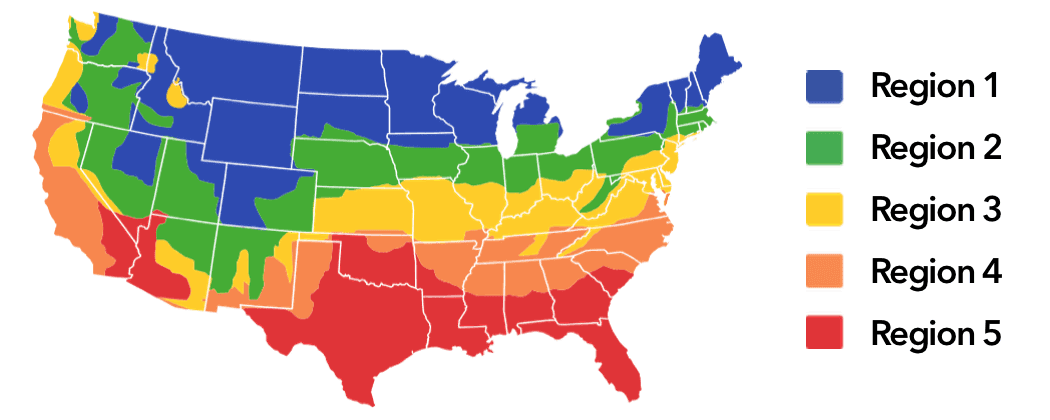
- Climate region: the tool usually detects your state, but check it against the climate map under the calculator. New York, Utah, Colorado, Nevada and Arizona all mix scorching areas with frigid ones. Your region sets the BTU size and whether hyper heat gets switched on, so a wrong pick throws off both.
Know your house well? Open Show More Options to set ceiling height, insulation, air tightness and windows. You get low, mid and high installed prices plus the cooling and heating loads. When the load is too big for one outdoor unit, the price already includes a second one.
Quick Answers
Answers use Ohio averages; energy prices updated October 2026.
Is a heat pump cheaper to run than natural gas in Ohio?
Not in Ohio right now. Natural gas buys 63,517 BTUs per dollar; a heat pump at a COP of 3 buys 43,990. Power would have to drop below about 16.1¢ per kWh to flip that (the Ohio average is 23.3¢), or the heat pump would need a higher COP.
How does electricity in Ohio compare with the national average?
Ohio averages 23.3¢ per kWh, 7% above the U.S. average of 21.7¢ and the 16th highest of the 50 states and DC. AC and heat pump running costs rise and fall with that rate.
Do I need a cold-climate heat pump in Ohio?
It’s a smart upgrade. With a statewide average winter low around 20°F, a standard heat pump handles most nights in Ohio, but cold snaps cut its output. A cold-climate model or a backup heat source covers those.
How much does a heat pump save over baseboard heat in Ohio?
At a COP of 3, about two-thirds. At the Ohio average of 23.3¢ per kWh, baseboard heat costs about $68.20 per million BTU; a heat pump delivers the same heat for about $22.73.
When is the best time to replace HVAC in Ohio?
Spring or fall, before you need it. Installers are busiest in the first heat wave and the first cold snap, and an emergency swap leaves no time to compare quotes.
Should I replace the furnace and AC at the same time?
If both are well into their life, usually yes: one crew visit, one labor bill, and a matched indoor coil and outdoor unit, which is what the efficiency rating assumes. If one of them is fairly new, price the jobs separately.
Run your own numbers: Central AC cost estimator or Heat pump cost calculator.
HVAC Costs in Ohio
Typical installed prices in Ohio, equipment and labor.
Daikin Mini Split Cost: What You’ll Actually Pay
Plan on roughly $5,550 to $7,070 installed for a single-zone Daikin with one wall-mounted head, standard heat (rated to -5°F) and 18-20 SEER.
Four zones runs roughly $11,180 to $33,250, depending on house size, heat rating and head style. Every zone adds an indoor unit, a line set, wiring and more labor hours, so multi-room jobs climb fast.
What pushes the price up:
- Hyper heat (cold-climate) models: about $660 to $810 more per zone.
- Cassettes, floor consoles or ducted heads instead of wall units: roughly $280 to $2,870 extra per zone, with floor units at the low end and ducted at the top.
- Premium single-zone units rated 24-27 SEER.
- Your zip code. Labor near New York City isn’t priced like labor in Arkansas.
Do You Need Hyper Heat?
Honest take: any Daikin is efficient. The jump from 18 to 20 SEER matters far less than whether the system can heat your house in January.
A standard model is rated to about -5°F. If it’s your main heat and you get a week of -10°F nights, it simply runs out of capacity. If the map puts you in zones 1-3, buy hyper heat. The calculator switches it on for those zones automatically.
Going cold-climate across a four- to six-zone house adds roughly $2,650 to $5,650. Many northern states and utilities offer heat pump rebates that can cover that premium, but programs change often, so call your utility before you sign. Hyper heat units are also all 20+ SEER, so you trim about 10% off your electric use as a bonus.
How Much Will You Save Over Old Central Air?
A ten-year-old central AC typically runs 9-13 SEER. Swap it for a Daikin ductless system and you save three ways: equipment that’s about twice as efficient, no 15-30% loss through leaky attic ducts, and another 5-15% from only running occupied rooms.
All in, savings can top 50%. For a 2,000 sq ft house in the New York/New Jersey area, that can mean $1,000 or more a year, depending on your rates and how hard you run it. Our guide to heat pump electricity use shows the math.
Daikin Models and How They Compare
Single-zone homes usually get an Aurora or Atmosphera unit. Two to five zones typically means an Aurora, MSX or RMSX multi-zone outdoor unit. Across these, efficiency runs 18 to 27 SEER, with heating rated to -5°F or -13°F. VRV (up to 18 zones) is light-commercial gear and overkill for a house. You don’t need to memorize names; the calculator sizes the right setup for you.
Daikin, the Japanese company that also owns Goodman, sits in the top tier with Mitsubishi and Fujitsu, with LG a notch below. Architects specifying mini splits for apartments and custom homes reach for those three names because they rarely generate callbacks. Daikin usually costs 10-15% less than a comparable Mitsubishi mini split and about the same as Fujitsu.
On a tighter budget? Cooper & Hunter equipment is built by Midea, usually runs 15-25% cheaper and still offers cold-climate models. It works fine, just without the same long track record.
Daikin Mini Split FAQ
Is a Daikin mini split worth it?
For most homes, yes. You get top-tier reliability below Mitsubishi pricing, and savings over old ducted AC show up on the first bill.
How do I know a quote is fair?
Hold it up against your calculator range, confirm sizing with our HVAC load calculator, and get at least three bids. Extra heads you don’t need are the most common padding. Get free quotes from local installers.
 See costs in your area
Start Here - Enter Your Zip Code