New AC or Heat Pump in Philadelphia, PA: 2027 Installed Cost
Adjust your home size & electric cost in Philadelphia, PA
Our cost model puts a 14 SEER central air system in Philadelphia, PA at $8,820 to $10,630 with equipment and labor. It is sized at 3.5 tons (about 42,000 BTU) for a 2,040 sq. ft. house. As the largest city in Pennsylvania, home to roughly 1,551,000 people, Philadelphia prices about 5% above the Pennsylvania statewide figure.
The price assumes your ducts can stay. When an installer finds crushed runs, too few returns or a dated disconnect, those repairs show up as added lines.
Buying Central Air in Philadelphia: The Price Ladder
Philadelphia prices by rating: $8,820 to $10,630 gets 14 SEER, $11,120 to $13,410 gets 16 SEER, $17,990 to $21,680 gets 18 SEER and $24,220 to $29,200 gets 20 SEER.
3.5-Ton Central AC: Philadelphia Price vs Pennsylvania Average
| System (3.5 ton) | Philadelphia | Pennsylvania average | Materials |
|---|---|---|---|
| 14 SEER | $8,820 - $10,630 | $8,400 - $10,120 | $5,530 |
| 16 SEER | $11,120 - $13,410 | $10,590 - $12,770 | $6,910 |
| 18 SEER | $17,990 - $21,680 | $17,130 - $20,650 | $11,000 |
| 20 SEER | $24,220 - $29,200 | $23,070 - $27,800 | $14,720 |
Most of what you pay is not the box: equipment runs about $6,910 on a 16 SEER install, and labor plus overhead carry the balance.
The Philadelphia Price Adjustment, Explained
One statewide number misses real local differences. We scale the Pennsylvania model by city size so the Philadelphia figure reflects its own labor market. Applied to 16 SEER, the adjustment lifts $10,590 to $12,770 (statewide) to $11,120 to $13,410 (Philadelphia).
Every Philadelphia ZIP code we track, 87 of them in Philadelphia and Delaware counties, uses the prices on this page. Collect three written bids for the same model, the same SEER and the same scope, then compare line by line instead of by the bottom number.
Ten Summers of Cooling Bills in Philadelphia
The electric rate behind these numbers is the Pennsylvania residential average, $0.249/kWh, about 15% above the national average of $0.217. Over the ten years in our data, Pennsylvania rates rose about 3.62% a year; at that pace the average would reach roughly $0.36/kWh by 2036.
Point at a year (or tap it on a phone) for the season cost of every rating. The lines climb 3.62% a year, matching how PA electric rates moved over the last decade.
Starting point: this summer at PA's current rate. From there the rate grows 3.62% per year, compounded, and each season cost is rounded up to $10.
Season by season, 16 SEER uses about 3,404 kWh in Philadelphia, near $850; a 9 SEER unit would run up about $1,510.
Upgrade Payback Finder: Your Old AC vs a New One
Choose your current AC and a replacement rating. Every result assumes a 3.5-ton system and Pennsylvania electric rates ($0.249/kWh today, up 3.62% a year).
| Installed price of the new system | $9,580 |
| Electricity saved, first year | $550 |
| Saved over 10 summers (rates rising) | $6,420 |
| Payback | 13.9 years |
| Net after 10 summers | -$3,160 |
Savings alone fall short: 9 to 14 SEER is still $3,160 behind after 10 summers in PA.
Replacing a working unit: the whole install counts as the cost. If the old one has failed, weigh each rating against a 14 SEER quote instead.
Old 9 SEER vs New: Philadelphia Numbers
| 9 SEER | 14 SEER | 16 SEER | 18 SEER | 20 SEER | |
|---|---|---|---|---|---|
| Installation Cost | - | $9,580 | $12,090 | $19,550 | $26,330 |
| Electric Usage / Yr | 6,025 kWh | 3,841 kWh | 3,404 kWh | 3,065 kWh | 2,793 kWh |
| Electric Cost / Yr | $1,510 | $960 | $850 | $770 | $700 |
| Energy Savings / Yr | - | $550 | $660 | $740 | $810 |
| Payback (Rates Rising) | - | 13.9 years | 14.4 years | 18.9 years | 22.0 years |
| 10-Year Net (Rates Rising) | - | -$3,160 | -$4,390 | -$10,850 | -$16,830 |
The payback math for Philadelphia favors 14 SEER: around 13.9 years to break even from a 9 SEER start.
Price Plus Running Cost: Philadelphia Totals
Buy Price vs 10-Year Running Cost: Total Cost of Ownership in PA
Install price plus ten seasons of electricity at Pennsylvania rates, growing 3.62% yearly, gives the real price of each system. Compare the total bars: the shortest one wins. Hover or tap for the breakdown.
After 10 years, 14 SEER is the cheapest system to own in Pennsylvania: $20,870 all-in ($9,580 installed + $11,290 of electricity).
Energy inflation is built in: season one is priced at today's PA rate, and each of the nine seasons after it costs 3.62% more than the one before, the historic yearly increase. The install figure is the typical installed price on this page. Parts and totals are each rounded up to $10, so the parts may sum $10 above the total.
Central AC Install Cost Near You
Heat, Cold and Equipment Choices in Philadelphia
The sizing for Philadelphia (about 40.0° N) uses Pennsylvania averages: climate region 2, summer afternoons near 84°F, winter lows near 19°F. Both seasons show up on the Philadelphia utility bill. A well-sized system pays off in July and again in January.
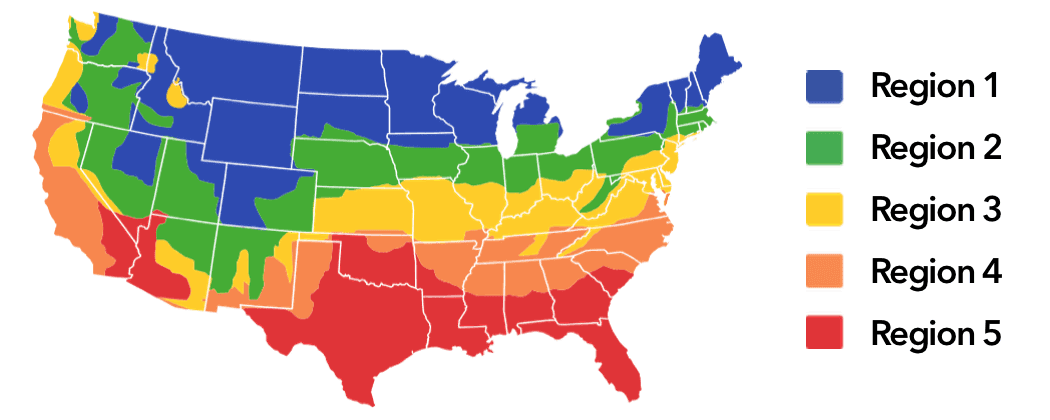
Climate zones run from 1 (cool) to 5 (hot); Pennsylvania is in Zone 2.
Near 40.0° N, Philadelphia is among the southern cities in this Pennsylvania guide, where winters are usually shorter and summers longer.
Two-stage and variable-speed systems run longer at low speed, which removes more moisture during humid Philadelphia summers.
Of the 7 Pennsylvania cities we price, Philadelphia lies the farthest south, near 40.0° N.
Most of a Philadelphia winter is within a standard heat pump's comfort zone; whether the backup should be natural gas or electric depends on local rates. Climate sets the baseline and the house sets the answer: a tight 2,040 sq. ft. home in Philadelphia may need less than 3.5 tons, a leaky or sun-heavy one more.
Ducts, Access and Layout in Philadelphia Homes
Hot-water and steam radiators are common in older Philadelphia housing, and they leave nowhere to run cold air. Mini-splits and small-duct high-velocity systems are the usual answers. Some Philadelphia buildings limit where a condenser can sit or how it mounts; ask about building or association rules early.
Ton for ton, a mini-split is pricier than central air. It needs no ducts, though, and each head conditions only its own room, so get a ductless quote for any Philadelphia home without ductwork.
Scheduling an AC Swap in Philadelphia
Mid-summer and mid-winter are peak season in Philadelphia. April, May, September and October usually mean faster scheduling and more care. Ask whether the bid includes the permit fee and the inspection visit; installers commonly arrange both.
Prices Around Pennsylvania
The 16 SEER price in nearby Pennsylvania cities:
- Pittsburgh, PA, 260 mi west: $10,880 to $13,120
- Allentown, PA, 45 mi northwest: $10,750 to $12,960
- Reading, PA, 50 mi northwest: $10,710 to $12,910
- Erie, PA, 300 mi northwest: $10,710 to $12,910
- Scranton, PA, 100 mi north: $10,680 to $12,870
- Bethlehem, PA, 45 mi north: $10,680 to $12,870
Homeowners in Fort Washington, Wayne, Valley Forge, Levittown and West Chester can plan with the Philadelphia prices.
Statewide averages and the assumptions behind every estimate are in the Pennsylvania HVAC cost guide. To size a system for your own house, use the AC size calculator; to compare heating and cooling options, try the heat pump calculator.
Estimates are adjusted for Philadelphia; real quotes vary with your home, the equipment and the installer.
Quick Answers
Figures below use Pennsylvania averages; energy prices as of October 2026.
Does a heat pump heat for less than natural gas in Pennsylvania?
Not in Pennsylvania at today's prices. Natural gas delivers 58,156 BTUs per dollar and a COP-3 heat pump 41,094. Power would need to fall under about 17.6¢ per kWh for the heat pump to win (the Pennsylvania average is 24.9¢), or the unit would need a higher COP.
Is electricity in Pennsylvania expensive compared with other states?
Pennsylvania pays 24.9¢ per kWh on average: 15% over the national figure of 21.7¢ and the 15th most expensive of 51. Cooling bills rise and fall with it.
Is a cold-climate heat pump needed in Pennsylvania?
Yes, plan on one. Winter lows in Pennsylvania average about 19°F statewide, where a standard heat pump loses much of its output. Cold-climate models keep heating below zero; size for the coldest nights.
What does a heat pump save over electric baseboard in Pennsylvania?
About two-thirds. At 24.9¢ per kWh (the Pennsylvania average), a million BTU of heat costs about $73.00 from baseboards and about $24.33 from a heat pump running at COP 3.
What is the best season to replace an AC or furnace in Pennsylvania?
The shoulder seasons, spring and fall, ahead of need. Winter lows near 19°F statewide mean heating work should wrap up by early fall. Crews are busiest in the first hot week and the first freeze, and a forced emergency swap leaves no time to compare bids.
Is it smart to replace the furnace and AC together?
Often. Two old units replaced in one visit share the labor, and the indoor coil gets matched to the outdoor unit as the rating requires. A young furnace or AC can stay; quote the other separately.
Check it for your own home: Central AC cost estimator or Heat pump cost calculator.
More HVAC Cost Guides
Pennsylvania HVAC costs (statewide) · HVAC costs in every state