Home Heating Cost in Rhode Island (2027): Natural Gas vs Oil vs Electric
Heating costs for your home size in Rhode Island
Below, a typical Rhode Island house is heated five ways. Current average prices for each fuel feed the same seasonal load model our heating cost calculator uses (Climate Region #2, mid-efficiency equipment), so the numbers compare like for like.
Pick natural gas and a 1,910 sq. ft. Rhode Island home costs about $2,540 to heat for the season. Pick electric baseboard heat and the same season costs about $9,720.
One Winter of Heat in Rhode Island, Priced by Fuel
| Fuel & equipment | Price | Season use | Cost / season |
|---|---|---|---|
| Natural gasnatural gas boiler, 82 AFUE | $2.46per therm | 1,031therms | ~$2,540 |
| Electric heat pumpductless, ~2.9 COP | $0.404per kWh | 9,931kWh | ~$4,020 |
| Propanepropane boiler, 82 AFUE | $3.82per gal | 1,126gals | ~$4,300 |
| Heating oiloil boiler, 82 AFUE | $6.12per gal | 743gals | ~$4,550 |
| Electric baseboardresistance heat | $0.404per kWh | 24,025kWh | ~$9,720 |
Each row is one heating season for 1,910 sq. ft., rounded up to $10. Switch the insulation level to see how much the house itself moves the bill. Method: our heating cost calculator.
A Season of Heat, Fuel by Fuel
Same house, same winter, five fuels. Hover a bar for the use and the rate behind it.
Season = the modeled Rhode Island heating load on standard mid-efficiency equipment; fuels ranked like the heating cost calculator (pellet and wood stoves are manual-load and stay unranked).
Heating Costs Over the Next 10 Winters
Today's ranking is one winter. Over 10 winters, price trends matter too. Electricity in Rhode Island rose about 5.88% a year between 2013 and 2023 in our energy data, and both electric lines follow that trend. We have no matching long record for natural gas, heating oil or propane, so the buttons show two cases instead of a guess. Hover or tap a winter for every fuel's cost.
Winter 1 uses today's rates and later winters apply the trend, all at average insulation; every total is rounded up to the next $10.
Fossil fuels flat, electricity on its trend: the cheapest 10-winter total is natural gas at about $25,350; the most expensive is electric baseboard heat at about $127,330. Watch the crossing: the heat pump line climbs past propane in winter 3 in this case.
How Rhode Island Winters Set the Heating Load
Expect a real winter: Region #2, daily highs near 38°F, lows near 21°F. The load model scales the heat a Rhode Island home needs to that climate, and the costs above follow from it.
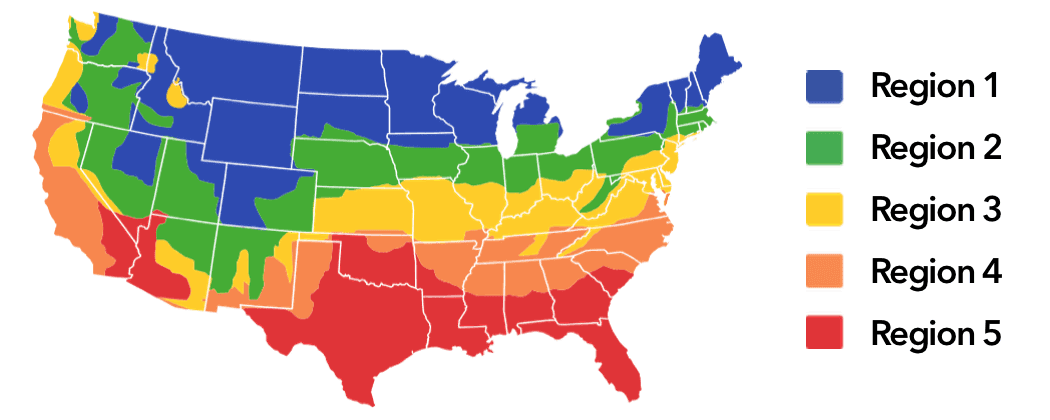
Weather factors that affect heating in Rhode Island:
Sea spray. Salt carried on the wind eats at outdoor coils and cabinet screws. A coated coil, a site away from the spray and a yearly rinse keep a coastal heat pump running longer.
Eave icicles. A row of icicles is warm air escaping through the ceiling. Fixing the attic floor with air sealing and more insulation keeps that heat in the rooms, where the furnace or heat pump meant it to go.
Windy cold. Wind raises the heating load by driving outside air through leaks. Weatherstripping and sealing the rim joist often pay back faster than any equipment upgrade.
Heating oil still warms many older homes in Rhode Island, often through a boiler and a basement tank. At today's $6.12 a gallon, conversions from oil to a heat pump or to natural gas come up often here, and the table shows why. Book heating work between the end of summer and the first frost, while installers still have open days. A pre-season service visit is worth it on any fuel.
What Moves the Bill Besides the Fuel
- The shell of the house. A well-insulated home needs about 12% less heat than an average one in this model, and a drafty one about 12% more; with natural gas in Rhode Island, each step is worth about $310 a season.
- The equipment. Our figures assume 82 AFUE. Swap in a 93 AFUE condensing boiler and the natural gas bill drops by about $300; keep running a tired 62 AFUE unit and it rises by about $820.
- The ducts. A forced-air system with bare ducts loses roughly 17% of its output on the way to the rooms, according to the calculator's duct model. Ductless systems and radiators skip that loss.
The Heat Pump Line, Explained
Both electric rows use the same $0.404 per kWh rate. The difference is the machine: resistance heat converts power to heat one for one, while a heat pump gets about 2.5 units of heat per unit of power here, after a cold-climate deduction. The result is about $4,020 a season instead of $9,720. Here it ranks second, behind natural gas.
Common Questions About Heating a Rhode Island Home
Which heating fuel costs least in Rhode Island?
Right now it is natural gas, at about $2,540 a season for 1,910 sq. ft. The runner-up is a heat pump at about $4,020. Natural gas only helps where a natural gas line reaches the house.
Is insulation worth it for heating in Rhode Island?
Quite a bit. On natural gas, the same 1,910 sq. ft. house runs about $2,840 a season when poorly insulated and about $2,240 when well insulated, a yearly difference of about $610.
Does it pay to replace an oil boiler in Rhode Island?
On fuel cost, yes. Heating oil runs about $4,550 a season for this house; natural gas would cost about $2,540. Over 10 winters at today's prices that gap is about $20,100: the budget a conversion has to beat. The natural gas route works only where a natural gas line can reach the property.
Wood and pellet stoves are not ranked here because someone has to load them. The pellet stove calculator prices them on their own.
Fine print: estimates, not bills. The fuel prices are Rhode Island averages and the heat load is modeled, so treat the figures as a fair comparison of fuels rather than a forecast of your statement.