Home Heating Cost in North Carolina (2027): Natural Gas vs Oil vs Electric
Heating costs for your home size in North Carolina
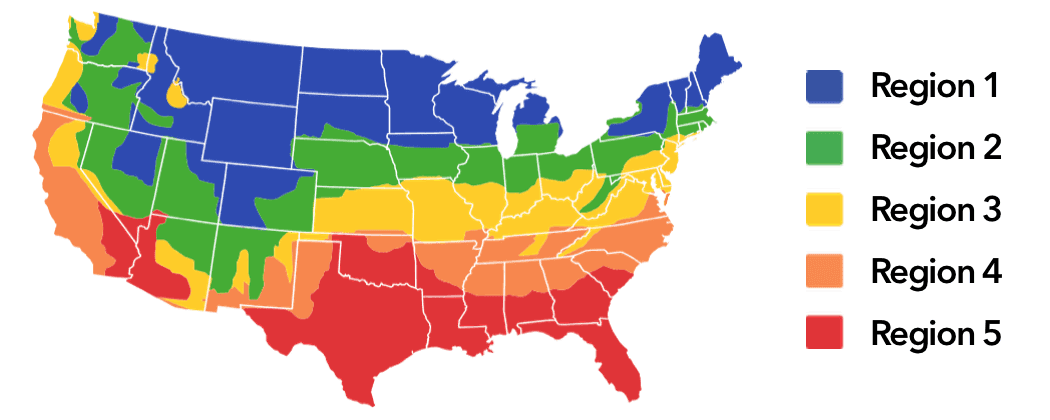
Every figure below starts from North Carolina's current average energy prices and runs them through the seasonal model behind our heating cost calculator: a Climate Region #4 heating load sized to your home, served by standard mid-efficiency equipment.
Heating a 2,150 sq. ft. home through a North Carolina winter runs from about $940 on a heat pump, the cheapest fuel here, up to roughly $2,630 on electric baseboard heat, the priciest.
Season Heating Cost in North Carolina: Five Fuels Compared
| Fuel & equipment | Price | Season use | Cost / season |
|---|---|---|---|
| Electric heat pumpductless, ~2.9 COP | $0.185per kWh | 5,056kWh | ~$940 |
| Natural gasnatural gas boiler, 82 AFUE | $2.20per therm | 610therms | ~$1,350 |
| Propanepropane boiler, 82 AFUE | $3.58per gal | 667gals | ~$2,390 |
| Heating oiloil boiler, 82 AFUE | $5.82per gal | 440gals | ~$2,570 |
| Electric baseboardresistance heat | $0.185per kWh | 14,221kWh | ~$2,630 |
Rounded up to $10. Rates are current North Carolina averages; the load is a 2,150 sq. ft. home at the insulation level you pick above. Same method as the heating cost calculator.
A Season of Heat, Fuel by Fuel
Same house, same winter, five fuels. Hover a bar for the use and the rate behind it.
Season = the modeled North Carolina heating load on standard mid-efficiency equipment; fuels ranked like the heating cost calculator (pellet and wood stoves are manual-load and stay unranked).
The Next 10 Winters, Fuel by Fuel
This chart carries the season costs forward 10 winters. Electricity follows its North Carolina track record, about 1.88% a year (2013 to 2023, energy database). Natural gas, heating oil and propane have no long series in our data, so they get two clear cases rather than an invented rate. Hover or tap a column for that winter's costs.
Season costs at average insulation; winter 1 is today's prices. Totals rounded up to $10.
If natural gas, heating oil and propane stay at today's prices, a heat pump costs about $10,180 over 10 winters here, against about $28,610 for electric baseboard heat.
Winter in North Carolina: What the Climate Asks For
Winters here are short and fairly gentle, about 51°F in the afternoon and 30°F at night. That puts North Carolina in Region #4, where cooling usually costs more than heating over a year.
Climate details worth raising with an installer:
Wet winters. In damp, chilly weather a heat pump collects frost on its outdoor coil and runs short defrost cycles. Good drainage under the unit keeps the meltwater from refreezing around it.
Storm outages. Hurricanes can cut power for days, and every system in the table needs electricity for its fans or controls. Strap the outdoor unit down and set it above the local flood level.
Mild winters. With a short heating season, a premium-efficiency furnace saves only a little each year. The money often does more good on the cooling side or in the attic.
In much of the South the heat pump that cools the house all summer also heats it in winter. Its heating cost here comes from electricity at $0.185 per kWh, the heat pump row. Heating failures here tend to show up on the first cold night of the year. A quick fall check-up avoids that surprise.
Three Things That Change the Number
Insulation and air sealing. The model moves the load 12% either way: from average to poorly insulated, or from average to well insulated. On a heat pump in North Carolina, each step is about $120 a season. Try the insulation buttons above the table.
Out of the ducts. Bare ducts in unheated space waste about 17% of a furnace's heat; sealed, insulated ducts keep most of it in the house.
The equipment. Our figures assume 82 AFUE. Swap in a 93 AFUE condensing boiler and the natural gas bill drops by about $160; keep running a tired 62 AFUE unit and it rises by about $440.
Heat Pump vs. Electric Baseboard in North Carolina
A heat pump is an air conditioner that runs in reverse in winter. Pulling heat from outdoor air, it yields about 2.9 kWh of warmth for every kWh it uses in North Carolina. Same $0.185 rate, but about $1,700 less per season than baseboard heat. Here it is also the cheapest of the five fuels.
Common Questions About Heating a North Carolina Home
Which heating fuel costs least in North Carolina?
Right now it is a heat pump, at about $940 a season for 2,150 sq. ft. The runner-up is natural gas at about $1,350. A heat pump needs no fuel delivery and no natural gas line, only electricity.
What is better insulation worth on a North Carolina heating bill?
Using a heat pump, poor insulation pushes this 2,150 sq. ft. house to about $1,050 a season, and good insulation brings it down to about $830. The difference, about $230, comes back every winter.
Should a North Carolina home on heating oil convert?
On fuel cost, yes. Heating oil runs about $2,570 a season for this house; a heat pump would cost about $940. Over 10 winters at today's prices that gap is about $16,290: the budget a conversion has to beat.
Wood and pellet stoves are not ranked here because someone has to load them. The pellet stove calculator prices them on their own.
About these numbers: seasonal estimates from current average North Carolina energy rates and a modeled heating load. Use them to compare fuels, not as a quote; real bills follow your winter, your house and your equipment.