Home Heating Cost in Iowa (2027): Natural Gas vs Oil vs Electric
Heating costs for your home size in Iowa
Fuel choice moves a heating bill more than almost anything else, so we priced all five side by side for Iowa. Rates are today's state averages, the load comes from Climate Region #2 and your square footage, and the equipment is a standard mid-efficiency setup, as in our heating cost calculator.
Pick natural gas and a 1,620 sq. ft. Iowa home costs about $1,050 to heat for the season. Pick heating oil and the same season costs about $3,580.
Season Heating Cost in Iowa: Five Fuels Compared
| Fuel & equipment | Price | Season use | Cost / season |
|---|---|---|---|
| Natural gasnatural gas boiler, 82 AFUE | $1.19per therm | 874therms | ~$1,050 |
| Electric heat pumpductless, ~2.9 COP | $0.167per kWh | 8,423kWh | ~$1,410 |
| Propanepropane boiler, 82 AFUE | $1.63per gal | 955gals | ~$1,560 |
| Electric baseboardresistance heat | $0.167per kWh | 20,377kWh | ~$3,410 |
| Heating oiloil boiler, 82 AFUE | $5.68per gal | 630gals | ~$3,580 |
Each row is one heating season for 1,620 sq. ft., rounded up to $10. Switch the insulation level to see how much the house itself moves the bill. Method: our heating cost calculator.
A Season of Heat, Fuel by Fuel
Same house, same winter, five fuels. Hover a bar for the use and the rate behind it.
Season = the modeled Iowa heating load on standard mid-efficiency equipment; fuels ranked like the heating cost calculator (pellet and wood stoves are manual-load and stay unranked).
What 10 Winters of Heat Could Cost in Iowa
This chart carries the season costs forward 10 winters. Electricity follows its Iowa track record, about 2.53% a year (2013 to 2023, energy database). Natural gas, heating oil and propane have no long series in our data, so they get two clear cases rather than an invented rate. Hover or tap a column for that winter's costs.
Season costs at average insulation; winter 1 is today's prices. Totals rounded up to $10.
With natural gas, oil and propane held at today's prices, 10 winters on natural gas add up to about $10,420, and on electric baseboard heat to about $38,260. The heat pump starts cheaper than propane, but passes it in winter 6 if propane prices hold still.
Why Iowa Weather Shapes the Heating Bill
Expect a real winter: Region #2, daily highs near 28°F, lows near 11°F. The load model scales the heat a Iowa home needs to that climate, and the costs above follow from it.
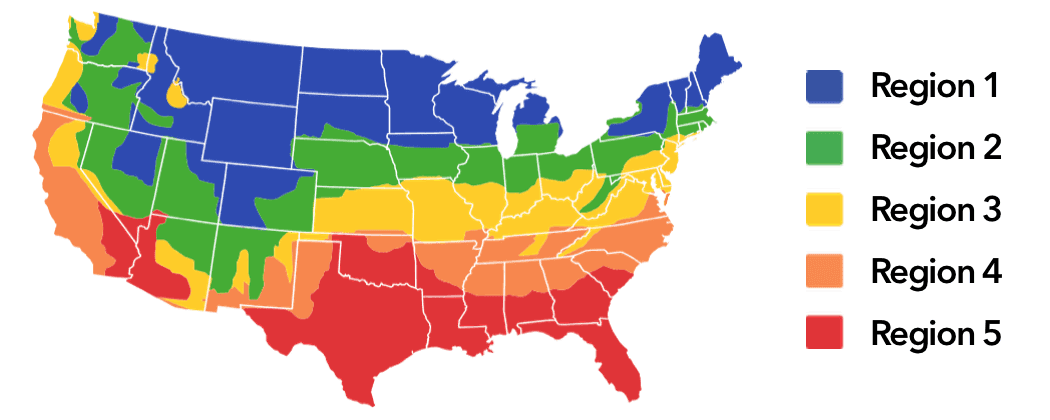
Weather factors that affect heating in Iowa:
Wind-driven drafts. A cold wind finds every crack in the shell and turns it into a draft the heating system must answer. Caulk, weatherstripping and foam at the rim joist cut that load on any fuel.
Deep snow. Snow can bury an outdoor heat-pump unit and block the plastic side-wall vents of a high-efficiency furnace. Set the outdoor unit on a stand above the usual drift line and keep vent openings clear; a blocked intake shuts a furnace down.
Cold-snap failures. A heating breakdown during a hard freeze can mean burst pipes by morning. A fall tune-up, spare filters and a temperature alert on the thermostat are cheap insurance.
Where the natural gas mains stop, rural Iowa households heat with propane from an on-site tank. At $1.63 a gallon, that row is the one a country house should weigh against a heat pump. Book heating work between the end of summer and the first frost, while installers still have open days. A pre-season service visit is worth it on any fuel.
Three Things That Change the Number
- Up the flue. Going from 82 to 93 AFUE saves about $130 a season on natural gas. Holding on to an aging 62 AFUE unit costs about $340 extra.
- Walls and attic. Insulation moves the load about 12% between average and poor, and the same between average and well insulated. That is roughly $130 a season with natural gas here.
- Out of the ducts. Bare ducts in unheated space waste about 17% of a furnace's heat; sealed, insulated ducts keep most of it in the house.
How a Heat Pump Changes the Electric Bill
A heat pump is an air conditioner that runs in reverse in winter. Pulling heat from outdoor air, it yields about 2.5 kWh of warmth for every kWh it uses in Iowa, already reduced for cold-weather performance. Same $0.167 rate, but about $2,000 less per season than baseboard heat. Only natural gas costs less here.
Iowa Heating: Quick Answers
Does it pay to replace an oil boiler in Iowa?
For most homes, yes. This house would spend about $3,580 a season on heating oil and about $1,050 on natural gas, so 10 winters at flat prices leave roughly $25,370 on the table. Weigh that against the conversion quote. That option needs natural gas service at the street.
Which heating fuel costs least in Iowa?
Right now it is natural gas, at about $1,050 a season for 1,620 sq. ft. The runner-up is a heat pump at about $1,410. Natural gas counts only if the street has a natural gas main.
Is insulation worth it for heating in Iowa?
Quite a bit. On natural gas, the same 1,620 sq. ft. house runs about $1,170 a season when poorly insulated and about $920 when well insulated, a yearly difference of about $260.
Wood and pellet stoves are not ranked here because someone has to load them. The pellet stove calculator prices them on their own.
Fine print: estimates, not bills. The fuel prices are Iowa averages and the heat load is modeled, so treat the figures as a fair comparison of fuels rather than a forecast of your statement.