Home Heating Cost in Connecticut (2027): Natural Gas vs Oil vs Electric
Heating costs for your home size in Connecticut
Fuel choice moves a heating bill more than almost anything else, so we priced all five side by side for Connecticut. Rates are today's state averages, the load comes from Climate Region #2 and your square footage, and the equipment is a standard mid-efficiency setup, as in our heating cost calculator.
The spread is wide: about $2,300 a winter with natural gas versus about $9,340 with electric baseboard heat, for one 2,150 sq. ft. home in Connecticut. That $7,050 difference comes from the fuel alone.
One Winter of Heat in Connecticut, Priced by Fuel
| Fuel & equipment | Price | Season use | Cost / season |
|---|---|---|---|
| Natural gasnatural gas boiler, 82 AFUE | $1.98per therm | 1,160therms | ~$2,300 |
| Electric heat pumpductless, ~2.9 COP | $0.345per kWh | 11,179kWh | ~$3,870 |
| Heating oiloil boiler, 82 AFUE | $6.00per gal | 837gals | ~$5,030 |
| Propanepropane boiler, 82 AFUE | $4.21per gal | 1,268gals | ~$5,350 |
| Electric baseboardresistance heat | $0.345per kWh | 27,044kWh | ~$9,340 |
Season estimates for a 2,150 sq. ft. home, rounded up to $10, from the same math and rates as our heating cost calculator. Use the buttons to see a drafty or a tight house.
A Season of Heat, Fuel by Fuel
Same house, same winter, five fuels. Hover a bar for the use and the rate behind it.
Season = the modeled Connecticut heating load on standard mid-efficiency equipment; fuels ranked like the heating cost calculator (pellet and wood stoves are manual-load and stay unranked).
What 10 Winters of Heat Could Cost in Connecticut
A fuel that wins this winter can lose later if its price climbs faster. The electric lines below rise at Connecticut's own electricity trend, about 5.96% a year from 2013 to 2023. For natural gas, heating oil and propane our data has no comparable history, so you choose: hold them at today's price, or let them climb at the electricity pace. Tap or hover any winter to read the numbers.
Each column is one heating season for the house above at average insulation. Totals are rounded up to $10.
Fossil fuels flat, electricity on its trend: the cheapest 10-winter total is natural gas at about $22,980; the most expensive is electric baseboard heat at about $122,880. Watch the crossing: the heat pump line climbs past heating oil in winter 6 in this case.
Why Connecticut Weather Shapes the Heating Bill
Connecticut is in Climate Region #2: cold winters, with days around 36°F and nights near 19°F. The heating season is long enough that a cheaper fuel or a tighter house shows up clearly on the yearly bill.
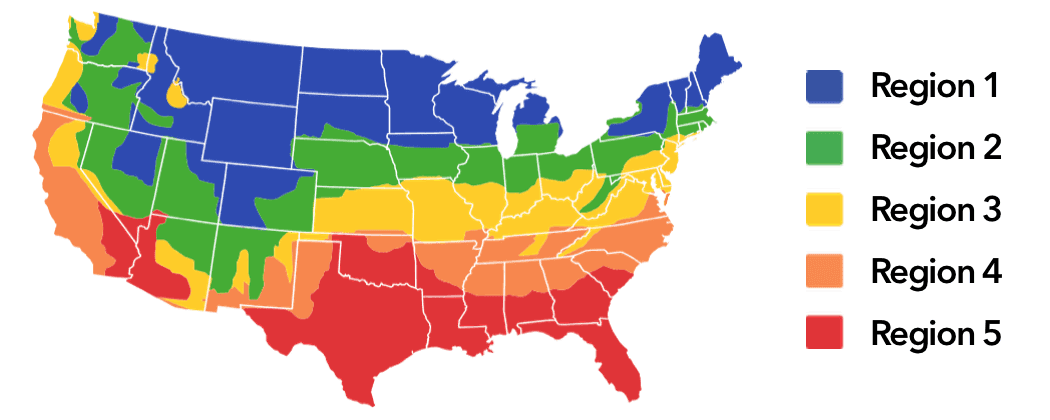
What the local weather means for heating equipment:
Ice dams. Icicles along the eaves mean heat is leaking into the attic and melting the roof snow from below. Sealing the attic floor and adding insulation stops the leak, which trims the heating bill and the ice at the same time.
Sea spray. Salt carried on the wind eats at outdoor coils and cabinet screws. A coated coil, a site away from the spray and a yearly rinse keep a coastal heat pump running longer.
Freeze risk. A no-heat call is an emergency when pipes can freeze. A service visit in early fall catches worn igniters, weak capacitors and clogged filters before the busy season.
Oil-fired boilers are still common in older Connecticut houses, often with a tank in the basement. With heating oil at $6.00 a gallon, the rows above it show what a switch to natural gas or a heat pump would change. Plan heating work for late summer or early fall, when crews have room in their schedules. Have the current system serviced before the first cold snap, whatever fuel it burns.
Three Things That Change the Number
Insulation and air sealing. The model moves the load 12% either way: from average to poorly insulated, or from average to well insulated. On natural gas in Connecticut, each step is about $280 a season. Try the insulation buttons above the table.
Out of the ducts. Bare ducts in unheated space waste about 17% of a furnace's heat; sealed, insulated ducts keep most of it in the house.
The equipment. Our figures assume 82 AFUE. Swap in a 93 AFUE condensing boiler and the natural gas bill drops by about $280; keep running a tired 62 AFUE unit and it rises by about $750.
The Heat Pump Line, Explained
A heat pump is an air conditioner that runs in reverse in winter. Pulling heat from outdoor air, it yields about 2.5 kWh of warmth for every kWh it uses in Connecticut, after a cold-climate deduction. Same $0.345 rate, but about $5,480 less per season than baseboard heat. Only natural gas costs less here.
Connecticut Heating: Quick Answers
Does it pay to replace an oil boiler in Connecticut?
Today's numbers favor the switch: about $5,030 a season on heating oil against about $2,300 on natural gas. That is roughly $27,270 over 10 winters if prices hold, before any installation cost. That option needs natural gas service at the street.
What is the cheapest way to heat a home in Connecticut?
Right now it is natural gas, at about $2,300 a season for 2,150 sq. ft. The runner-up is a heat pump at about $3,870. Natural gas counts only if the street has a natural gas main.
Is insulation worth it for heating in Connecticut?
Using natural gas, poor insulation pushes this 2,150 sq. ft. house to about $2,580 a season, and good insulation brings it down to about $2,030. The difference, about $560, comes back every winter.
Pellet and wood stoves can heat cheaply too, but they are manual-load fuels: we price them in the pellet stove calculator and leave them out of the ranking, as the heating cost calculator does.
About these numbers: seasonal estimates from current average Connecticut energy rates and a modeled heating load. Use them to compare fuels, not as a quote; real bills follow your winter, your house and your equipment.