New AC or Heat Pump in Omaha, NE: 2027 Installed Cost
Adjust your home size & electric cost in Omaha, NE
For a 2,010 sq. ft. house in Omaha, plan on 3.5 tons of cooling (about 42,000 BTU). Installed at 14 SEER, the rating with the best long-run math here, that system runs $8,070 to $9,720. Our Omaha numbers sit about 3% over the statewide model, a premium we apply to markets of this size (population near 483,000).
A clean replacement is what we priced: outdoor unit, indoor coil or air handler, refrigerant lines, wiring and removal of the old equipment. Duct repairs and electrical upgrades are separate line items on most bids.
Omaha Central Air Price List
From the cheapest 14 SEER bid ($8,070) to the priciest 20 SEER one ($26,710), Omaha quotes for a 3.5-ton system span a wide band. Most buyers sit in the middle: 16 SEER at $10,180 to $12,260 or 18 SEER at $16,450 to $19,830.
3.5-Ton Central AC: Omaha Price vs Nebraska Average
| System (3.5 ton) | Omaha | Nebraska average | Materials |
|---|---|---|---|
| 14 SEER | $8,070 - $9,720 | $7,800 - $9,400 | $5,060 |
| 16 SEER | $10,180 - $12,260 | $9,840 - $11,860 | $6,320 |
| 18 SEER | $16,450 - $19,830 | $15,920 - $19,180 | $10,060 |
| 20 SEER | $22,160 - $26,710 | $21,430 - $25,830 | $13,460 |
Of a 16 SEER quote in Omaha, roughly $6,320 buys the hardware. The remainder pays the crew and runs the shop.
Omaha Against the Nebraska Baseline
Demand moves prices too. When local crews are booked solid, bids stay firm; where installers compete for work, there is room to negotiate. In numbers: a 16 SEER install that averages $9,840 to $11,860 across Nebraska comes to $10,180 to $12,260 in Omaha, about 3% more.
46 ZIP codes in our database carry a Omaha address, all in Douglas and Sarpy counties; each one gets this estimate. Rebates from utilities and manufacturers come and go; ask which ones apply in Omaha this year and who files the paperwork.
Operating Cost and Payback for Omaha Homes
At $0.144 per kWh, about 34% below the national average of $0.217, Nebraska electricity sets how fast efficiency pays for itself. A 1.43% yearly rise in Nebraska electric rates, the decade trend, is built into every ten-year number on this page.
Hover or tap any year to see what each rating costs to run that season. Rates rise 1.43% a year, the NE ten-year trend.
2026 = this season at NE's current rate. Each later year compounds the historic 1.43%/yr rise; costs rounded up to $10.
At that rate, a 16 SEER system in Omaha uses about 4,425 kWh a season, roughly $640 a year; a worn 9 SEER unit would cost about $1,130.
Upgrade Payback Finder: Your Old AC vs a New One
Choose your current AC and a replacement rating. Every result assumes a 3.5-ton system and Nebraska electric rates ($0.144/kWh today, up 1.43% a year).
| Installed price of the new system | $8,770 |
| Electricity saved, first year | $410 |
| Saved over 10 summers (rates rising) | $4,370 |
| Payback | 18.8 years |
| Net after 10 summers | -$4,400 |
Savings alone fall short: 9 to 14 SEER is still $4,400 behind after 10 summers in NE.
These figures treat the whole install as the price of switching from a unit that still runs. For a dead unit, only the step up from a basic 14 SEER bid has to pay back.
Omaha: What Each Upgrade From 9 SEER Returns
| 9 SEER | 14 SEER | 16 SEER | 18 SEER | 20 SEER | |
|---|---|---|---|---|---|
| Installation Cost | - | $8,770 | $11,060 | $17,890 | $24,080 |
| Electric Usage / Yr | 7,832 kWh | 4,993 kWh | 4,425 kWh | 3,984 kWh | 3,631 kWh |
| Electric Cost / Yr | $1,130 | $720 | $640 | $580 | $530 |
| Energy Savings / Yr | - | $410 | $500 | $560 | $610 |
| Payback (Rates Rising) | - | 18.8 years | 19.7 years | 26.7 years | 31.7 years |
| 10-Year Net (Rates Rising) | - | -$4,400 | -$5,820 | -$11,970 | -$17,620 |
Swapping a working 9 SEER unit for a 14 SEER system pays back in about 18.8 years in Omaha, counting the rate trend.
Total Cost to Own Each SEER in Omaha
Buy Price vs 10-Year Running Cost: Total Cost of Ownership in NE
For each SEER rating: the installed price, 10 years of cooling electricity at Nebraska rates (rising 1.43% a year), and the two added together. The shortest total bar is the cheapest system to own. Hover or tap a bar for the math.
After 10 years, 14 SEER is the cheapest system to own in Nebraska: $16,450 all-in ($8,770 installed + $7,690 of electricity).
Includes energy inflation: electricity = this season's cost at today's NE rate, then each of the next nine seasons raised by the historic 1.43%/yr rate increase. Install = the typical installed price on this page. Each figure is rounded up to the next $10 on its own, so the two parts can add up to $10 more than the total.
Check the AC Price Where You Live
 See costs in your area
Start Here - Enter Your Zip Code
Heat, Cold and Equipment Choices in Omaha
Statewide numbers frame the Omaha estimate: region 3 on our map, summer highs averaging about 89°F, and winter highs around 36°F. Summer heat and winter cold both test equipment in Omaha; one strong rating does not make up for a weak other half.
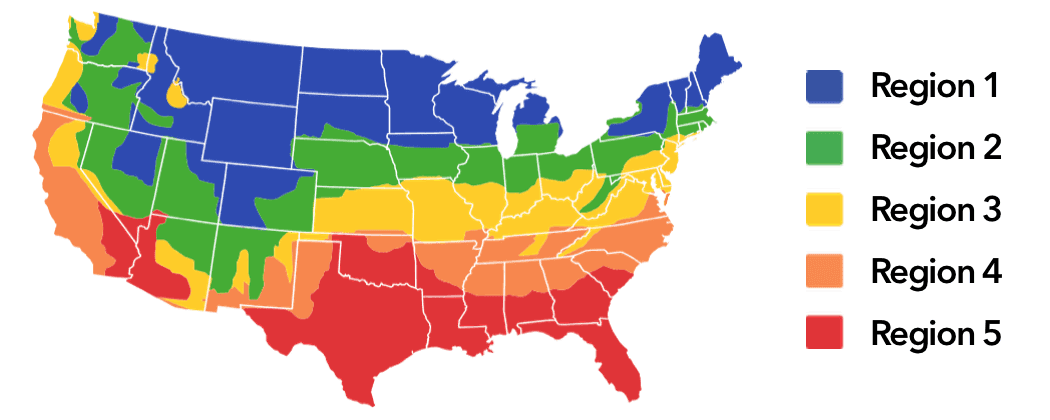
Climate zones run from 1 (cool) to 5 (hot); Nebraska is in Zone 3.
Two-stage and variable-speed systems run longer at low speed, which removes more moisture during humid Omaha summers.
The closest city in this guide is Bellevue, about 8 miles to the southeast; it has its own price page.
Heating with natural gas today? Ask Omaha bidders for two prices: a straight AC swap, and a heat pump that keeps the furnace as backup. The difference up front is often modest. Climate sets the baseline and the house sets the answer: a tight 2,010 sq. ft. home in Omaha may need less than 3.5 tons, a leaky or sun-heavy one more.
Ductwork and Space in a Omaha Install
Forced-air furnaces are standard across much of Nebraska, so many Omaha homes already have ducts a new AC or heat pump can use. Access is rarely the big cost in Omaha; duct condition and electrical service matter more.
With ducts in place, central air is usually cheaper; without them, or when you want room-by-room control, ductless wins.
Scheduling an AC Swap in Omaha
The same crew that hurries through a July job can take its time in May or October. Book Omaha work in those shoulder months if you can. Confirm the installer holds the license and insurance Nebraska requires, and who handles the permit; skipped permits can cause trouble at resale.
Elsewhere in Nebraska
Elsewhere in Nebraska, the same 16 SEER job costs:
- Lincoln, NE (southwest, 45 mi): $10,110 to $12,180
- Bellevue, NE (southeast, 8 mi): $10,000 to $12,050
- Grand Island, NE (west, 120 mi): $9,870 to $11,900
The Omaha estimate also gives a fair first number for Boys Town, La Vista, Papillion, Chalco and Blair.
More on SEER ratings, rate trends and payback across the state: Nebraska HVAC cost guide. To size a system for your own house, use the AC size calculator; to compare heating and cooling options, try the heat pump calculator.
These figures start from statewide data, then adjust for the size of Omaha. Collect written bids from licensed local firms before you choose.
Quick Answers
Figures below use Nebraska averages; energy prices as of October 2026.
Does a heat pump heat for less than natural gas in Nebraska?
It does in Nebraska: 70,988 BTUs per dollar from a COP-3 heat pump against 67,808 from natural gas. Electricity would have to pass about 15.1¢ per kWh to erase that (the Nebraska average is 14.4¢). Expect the edge to thin in cold snaps, when heat pump efficiency falls.
Is electricity in Nebraska expensive compared with other states?
At 14.4¢ per kWh, Nebraska runs 34% under the national figure of 21.7¢, the 2nd cheapest among the 50 states and DC. Every AC and heat pump cost on this page moves with that rate.
Is a cold-climate heat pump needed in Nebraska?
Yes, plan on one. Winter lows in Nebraska average about 14°F statewide, where a standard heat pump loses much of its output. Cold-climate models keep heating below zero; size for the coldest nights.
What does a heat pump save over electric baseboard in Nebraska?
About two-thirds. At 14.4¢ per kWh (the Nebraska average), a million BTU of heat costs about $42.26 from baseboards and about $14.09 from a heat pump running at COP 3.
What is the best season to replace an AC or furnace in Nebraska?
Spring or fall, while the old system still runs. Summer days in Nebraska average about 89°F, so have cooling work done by early spring. Winter lows near 14°F statewide mean heating work should wrap up by early fall. The first heat wave and the first cold snap fill every installer's calendar; replacing on your own schedule leaves room to compare quotes.
Is it smart to replace the furnace and AC together?
When both are aging, generally yes: one visit, one labor charge, and a matched coil and condenser, which the efficiency rating assumes. If one is fairly new, price each job on its own.
Check it for your own home: Central AC cost estimator or Heat pump cost calculator.
More HVAC Cost Guides
Nebraska HVAC costs (statewide) · HVAC costs in every state