2027 HVAC Prices in Little Rock, AR: Install, Running Cost, Payback
Adjust your home size & electric cost in Little Rock, AR
Our cost model puts a 16 SEER central air system in Little Rock, AR at $8,910 to $10,740 with equipment and labor. It is sized at 3.5 tons (about 42,000 BTU) for a 1,860 sq. ft. house. With roughly 204,000 residents, Little Rock carries big-market labor and overhead, so its figures run 2% higher than the Arkansas baseline.
Read the range as a standard swap. If the job needs new duct runs, a larger breaker or a condenser on a roof or wall bracket, the bid climbs from there.
Little Rock Central Air Price List
From the cheapest 14 SEER bid ($7,060) to the priciest 20 SEER one ($23,390), Little Rock quotes for a 3.5-ton system span a wide band. Most buyers sit in the middle: 16 SEER at $8,910 to $10,740 or 18 SEER at $14,410 to $17,370.
3.5-Ton Central AC: Little Rock Price vs Arkansas Average
| System (3.5 ton) | Little Rock | Arkansas average | Materials |
|---|---|---|---|
| 14 SEER | $7,060 - $8,510 | $6,910 - $8,330 | $4,430 |
| 16 SEER | $8,910 - $10,740 | $8,720 - $10,510 | $5,530 |
| 18 SEER | $14,410 - $17,370 | $14,100 - $17,000 | $8,810 |
| 20 SEER | $19,410 - $23,390 | $18,990 - $22,890 | $11,790 |
Most of what you pay is not the box: equipment runs about $5,530 on a 16 SEER install, and labor plus overhead carry the balance.
The Little Rock Price Adjustment, Explained
One statewide number misses real local differences. We scale the Arkansas model by city size so the Little Rock figure reflects its own labor market. In numbers: a 16 SEER install that averages $8,720 to $10,510 across Arkansas comes to $8,910 to $10,740 in Little Rock, about 2% more.
Every Little Rock ZIP code we track, 25 of them in Pulaski County, uses the prices on this page. Equipment warranties often need registration within a set window. Ask the installer to register the unit and to put the labor warranty in writing.
Electric Bills, Efficiency and Payback in Little Rock
Residential power in Arkansas averages $0.179 per kWh, about 17% below the national average of $0.217. That rate decides what every SEER point is worth. Over the ten years in our data, Arkansas rates rose about 2.53% a year; at that pace the average would reach roughly $0.23/kWh by 2036.
Each line is one SEER rating; touch or hover a year to read its dollar figures. The climb is the 2.53% yearly increase AR rates showed over ten years.
2026 = this season at AR's current rate. Each later year compounds the historic 2.53%/yr rise; costs rounded up to $10.
Our model runs the AC about 13.3 hours a day in season. On that basis a 1,860 sq. ft. home in Little Rock pays about $930 a year at 16 SEER and $1,650 at 9 SEER.
Upgrade Payback Finder: Your Old AC vs a New One
Set the two menus: the system in your house now and the one you are weighing. The math uses a 3.5-ton unit at Arkansas electric rates, $0.179/kWh and climbing 2.53% yearly.
| Installed price of the new system | $9,690 |
| Electricity saved, first year | $720 |
| Saved over 10 summers (rates rising) | $8,010 |
| Payback | 11.8 years |
| Net after 10 summers | -$1,680 |
Not on savings alone: 9 to 16 SEER is $1,680 short after 10 summers in AR.
If the old unit still works, the full install price is the cost of the upgrade. If it has to be replaced anyway, compare the extra price over a 14 SEER bid with the extra savings.
Old 9 SEER vs New: Little Rock Numbers
| 9 SEER | 14 SEER | 16 SEER | 18 SEER | 20 SEER | |
|---|---|---|---|---|---|
| Installation Cost | - | $7,680 | $9,690 | $15,660 | $21,090 |
| Electric Usage / Yr | 9,157 kWh | 5,837 kWh | 5,174 kWh | 4,658 kWh | 4,245 kWh |
| Electric Cost / Yr | $1,650 | $1,050 | $930 | $840 | $770 |
| Energy Savings / Yr | - | $600 | $720 | $810 | $890 |
| Payback (Rates Rising) | - | 11.3 years | 11.8 years | 16.0 years | 19.0 years |
| 10-Year Net (Rates Rising) | - | -$1,000 | -$1,680 | -$6,620 | -$11,220 |
The payback math for Little Rock favors 16 SEER: around 11.8 years to break even from a 9 SEER start.
Price Plus Running Cost: Little Rock Totals
Buy Price vs 10-Year Running Cost: Total Cost of Ownership in AR
For each SEER rating: the installed price, 10 years of cooling electricity at Arkansas rates (rising 2.53% a year), and the two added together. The shortest total bar is the cheapest system to own. Hover or tap a bar for the math.
Cheapest over 10 years in Arkansas: 16 SEER at $20,090 all-in, made of $9,690 to install plus $10,410 to run.
How the electricity bar is built: this season at today's AR rate, then nine more seasons, each raised by the 2.53% yearly increase AR has averaged. Install is the typical price shown on this page. Every figure is rounded up to the next $10 separately, which can leave the parts $10 over the total. 14 SEER is left out: it is below the federal minimum for new central AC installs in Arkansas.
Central AC Install Cost Near You
The Little Rock Climate in AC Terms
The sizing for Little Rock (about 34.7° N) uses Arkansas averages: climate region 4, summer afternoons near 93°F, winter lows near 31°F. In Little Rock, the cooling side runs from late spring into fall; heating demand is real but brief.
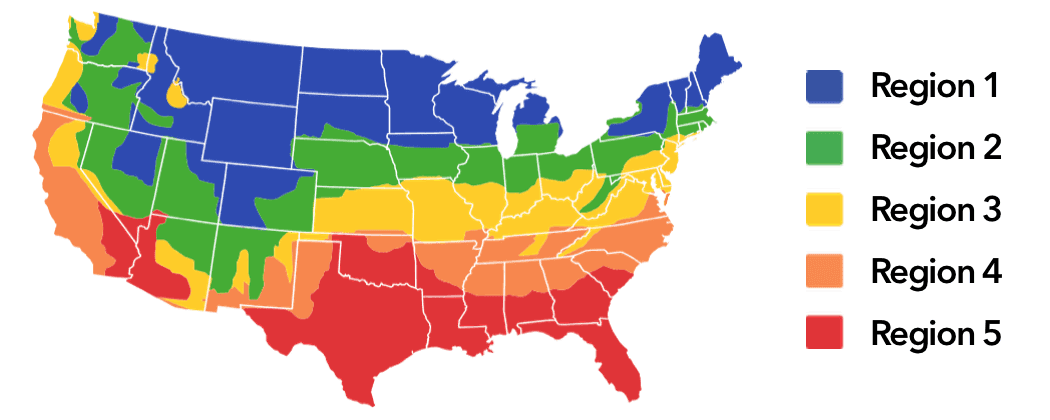
Climate zones run from 1 (cool) to 5 (hot); Arkansas is in Zone 4.
Two-stage and variable-speed systems run longer at low speed, which removes more moisture during humid Little Rock summers.
Of the 4 Arkansas cities we price, Little Rock lies the farthest south, near 34.7° N.
Milder winters make a heat pump a practical main heat source in Little Rock, with backup strips or a furnace for cold snaps. Climate sets the baseline and the house sets the answer: a tight 1,860 sq. ft. home in Little Rock may need less than 3.5 tons, a leaky or sun-heavy one more.
Before the Quote: Your Little Rock House
Ducts in Little Rock homes often run through a hot attic or a crawlspace, where they lose cooling. Sealing and insulating them is a cheap add-on to an upgrade. Many Little Rock jobs are simple replacements, so bids tend to cluster more tightly than in the largest metros.
Ton for ton, a mini-split is pricier than central air. It needs no ducts, though, and each head conditions only its own room, so get a ductless quote for any Little Rock home without ductwork.
Timing, Permits and Paperwork in Little Rock
Late fall and winter are slow for cooling work in Little Rock, which can mean quicker scheduling and more flexible pricing. A permit and inspection document that the Little Rock install meets code, which helps when the house is sold.
Compare Another Arkansas City
Elsewhere in Arkansas, the same 16 SEER job costs:
- Fayetteville, AR, 140 mi northwest: $8,830 to $10,640
- Fort Smith, AR, 120 mi west: $8,810 to $10,620
- Springdale, AR, 140 mi northwest: $8,810 to $10,620
Little Rock contractors commonly work in North Little Rock, Bryant, Jacksonville, Benton and Conway, so quotes there tend to fall in a similar range.
These Little Rock figures come from the same model as our Arkansas HVAC cost guide, which goes deeper on SEER and long-term cost. Before collecting bids, run your own numbers in the AC size calculator and the heat pump calculator.
Use these numbers to budget. A licensed contractor's load calculation and written quote have the final word.
Quick Answers
Figures below use Arkansas averages; energy prices as of October 2026.
Does a heat pump heat for less than natural gas in Arkansas?
Yes, in Arkansas. Running at COP 3, a heat pump gets 57,123 BTUs of heat per dollar; natural gas gets 38,301. It keeps that lead while power stays under about 26.7¢ per kWh (the Arkansas average is 17.9¢). The margin shrinks on the coldest nights, when the COP drops.
Is electricity in Arkansas expensive compared with other states?
Arkansas pays 17.9¢ per kWh on average: 17% under the national figure of 21.7¢ and the 17th cheapest of 51. Cooling bills rise and fall with it.
Is a cold-climate heat pump needed in Arkansas?
It helps. With winter lows around 31°F, a standard heat pump covers most Arkansas nights, but its output drops in cold snaps; a cold-climate model or backup heat fills that gap.
What does a heat pump save over electric baseboard in Arkansas?
About two-thirds. At 17.9¢ per kWh (the Arkansas average), a million BTU of heat costs about $52.52 from baseboards and about $17.51 from a heat pump running at COP 3.
What is the best season to replace an AC or furnace in Arkansas?
Spring or fall, while the old system still runs. Summer days in Arkansas average about 93°F, so have cooling work done by early spring. The first heat wave and the first cold snap fill every installer's calendar; replacing on your own schedule leaves room to compare quotes.
Is it smart to replace the furnace and AC together?
Often. Two old units replaced in one visit share the labor, and the indoor coil gets matched to the outdoor unit as the rating requires. A young furnace or AC can stay; quote the other separately.
Check it for your own home: Central AC cost estimator or Heat pump cost calculator.
More HVAC Cost Guides
Arkansas HVAC costs (statewide) · HVAC costs in every state